7 Common Mistakes When Displaying Feathers at Home
Feathers are one of the few decorative materials that arrive already finished. No frame, no fitting, no fiddly assembly — you simply put them somewhere and they look good. That is also the problem. Because they seem effortless, they rarely get the small adjustments that keep them looking their best, and a display that seemed striking on the day you arranged it can look dusty, faded or slightly sad a fortnight later. None of the mistakes below are dramatic, and none are expensive to correct. Most take under five minutes.
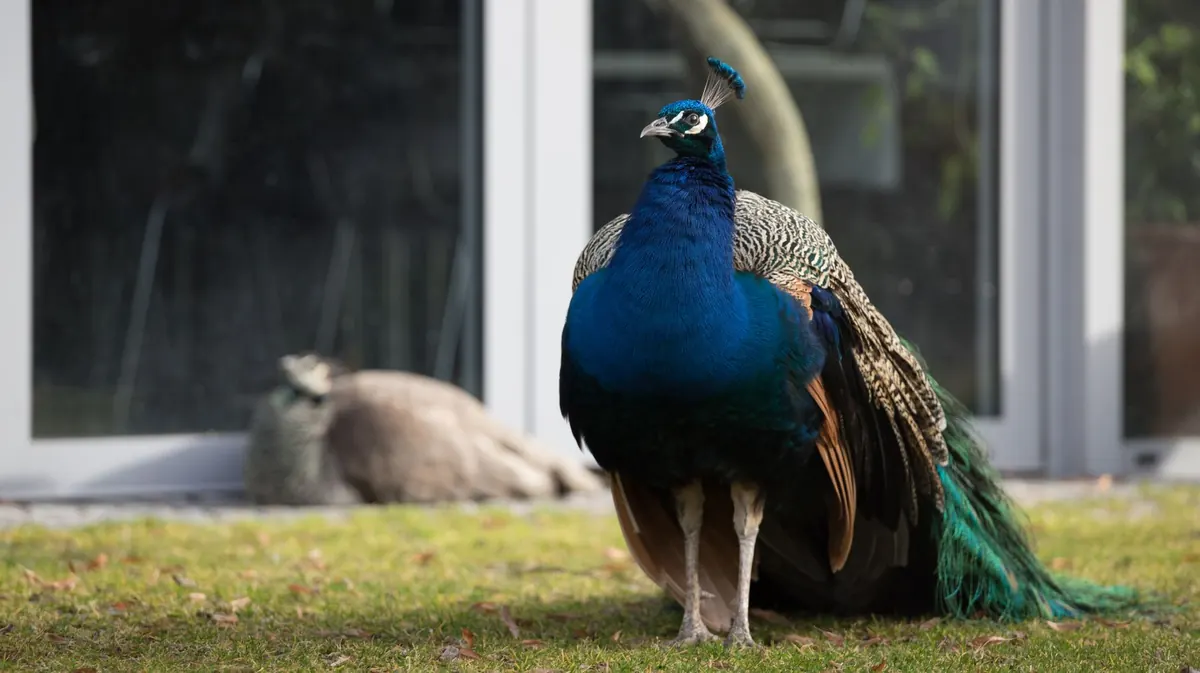
Colour in feathers is fragile. Sunlight fades pigment over weeks and months rather than days, so the change creeps up on you. A peacock eye feather that was deep teal in spring can be a flat grey-green by autumn if it sits on a sunny windowsill, and black-and-white feathers yellow at the edges. Heat does damage too, drying out the quill until it turns brittle.
Move displays a metre or two back from the glass, or filter the light with a sheer blind or a voile curtain. South and west-facing windows are the harshest in the UK; a north-facing wall, a hallway shelf or a shaded corner is far kinder. If the only available spot is near a window, rotate the arrangement every few weeks so no single feather takes the brunt, and keep everything clear of the hot band of air directly above a radiator.
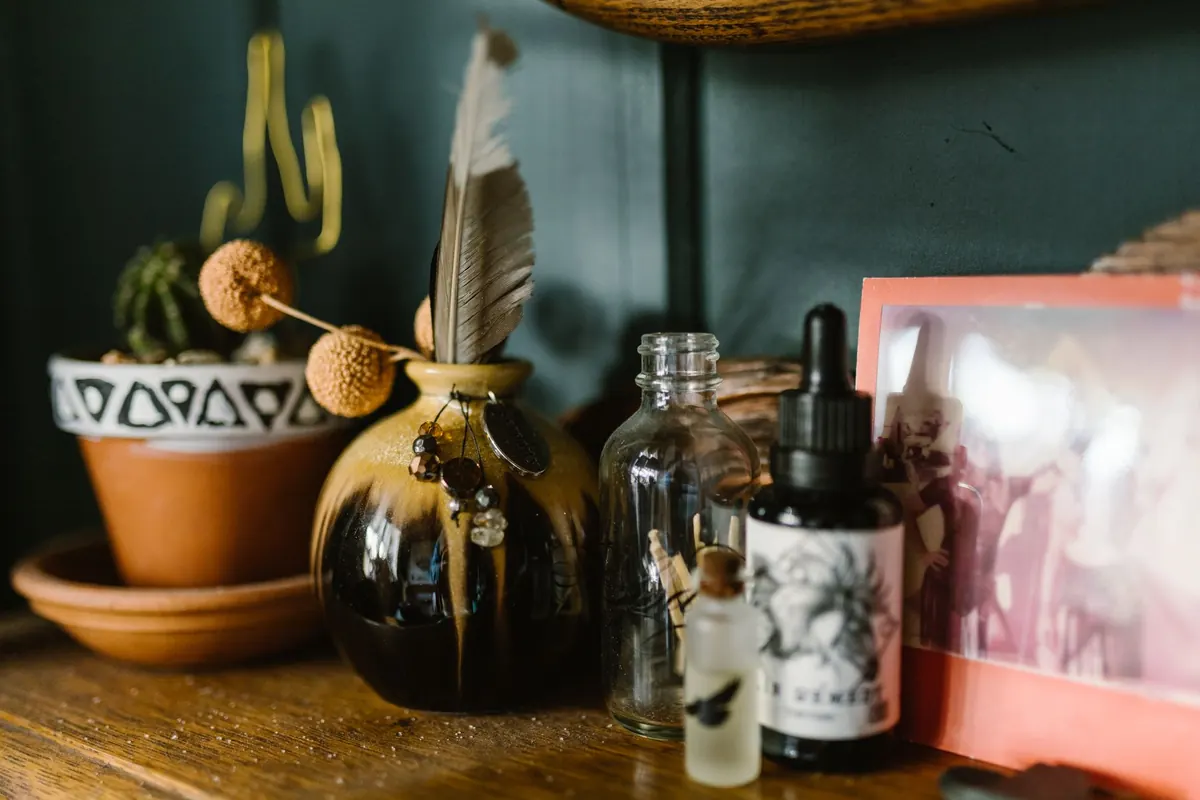
Tall feathers are sails. A slim vase holding one long quill will tip at the first draught, or the first time someone walks past with a shopping bag. Test the base before you arrange anything: give the empty vase a gentle nudge. If it shifts easily when empty, it will shift more once it is full. The answer is weight low down, not a larger vase.
Wall-mounted displays need the same thinking. Use two small fixings rather than one large one, and choose a hook rated well above the weight of the finished piece.
More feathers usually means less impact. Pack twenty into a jar and the eye has nowhere to rest, the quills scratch each other, and the shapes that made each feather interesting disappear into a clump. Negative space is what makes a display look deliberate rather than accidental.
Try working in odd numbers — three, five, seven — with one clear hero feather and the rest supporting it. Group by tone rather than species: warm browns together, blues and greens together, plain neutrals on their own. Vary the heights so the arrangement has a silhouette, and leave the bottom third of the vase visible so the quills can be seen. If you cannot bear to leave any out, rotate them seasonally instead of cramming them all in at once.
Oils from your skin dull the vane and attract dust. Lift feathers by the quill rather than the tip, and use clean cotton gloves if you are arranging a large group. Cleaning is gentler than most people expect:
If you collect feathers outdoors, check the guidance where you live before picking anything up, since rules on taking feathers from wild birds vary, and wash your hands afterwards.
Kitchens, bathrooms and conservatories are the worst rooms in the house for feathers. Steam softens the vane, cooking grease settles on it, and a damp atmosphere encourages mould and a musty smell that is very hard to shift once it has taken hold. Cigarette smoke and scented candles leave a film too.
Keep displays in dry, well-ventilated rooms. Avoid placing them right above a kettle, a hob or a tumble dryer vent, and give them a little air circulation rather than sealing them in a closed cabinet against a cold outside wall.
Blu Tack softens in warm rooms and leaves a greasy mark on paint. Sticky tape lifts emulsion and takes the surface of the quill with it. Glue is worse still, and usually permanent. For anything going on a wall, use a shadow box frame, a small picture hook fixed properly, or fine wire and clips that grip the quill without crushing it. If a piece is heavy, use wall plugs suited to your wall type, and take the display down before you redecorate rather than working around it.
A stiff game-bird tail feather and a soft ostrich plume behave nothing alike. Ostrich droops and needs either support or a deliberate drape over the rim of a vase. Peacock eyes look best with the eye facing outwards, arranged into a fan. Dyed craft feathers can bleed colour if they get damp, so keep them away from windows and wet rooms. Most feathers also have a natural curve: work with it, letting each one arc in the same direction, and the whole arrangement will sit more calmly.
Once a month, run through a short check and most problems never get started:
Feathers last remarkably well when they are kept out of harsh light, off damp surfaces and out of each other's way. A little attention now and then is all it takes to keep a display looking as good in three years as it does this week.
Photo: RDNE Stock project / Pexels
Previous Post
A Beginner's Guide to Feather Plume Care and Cleaning
Next Post
Display Stands vs. Wall Mounts: Which Is Best for Your Feather Collection?