Christmas Feather Decorating: A Step-by-Step Guide

White ostrich plumes heaped in a dark bowl. Gold-dipped peacock feathers tucked into the branches. Iridescent coquille turning from green to bronze as the fairy lights shift behind it. Feathers bring a softness to a Christmas room that tinsel cannot manage, and they pack down flat, survive for years and suit almost any colour scheme. The only real skill is knowing where to place them, and when to stop. What follows covers the mantelpiece, the dining table and the tree.
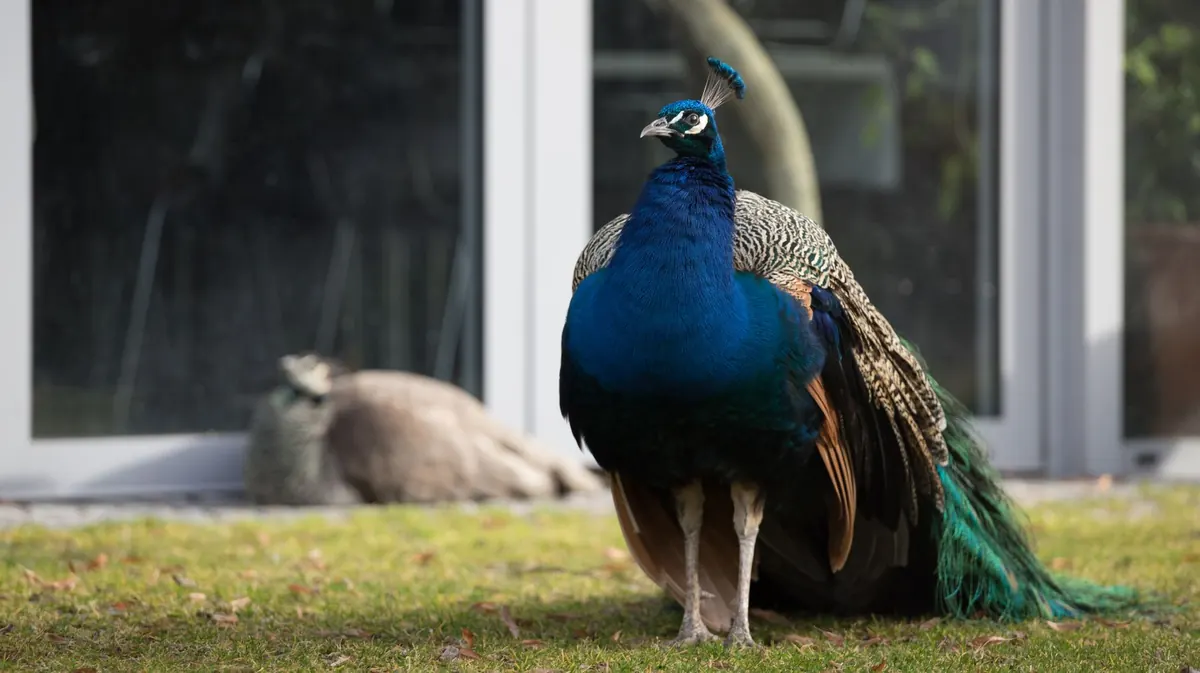
Not all feathers behave the same way. Ostrich plumes are long, soft and lightly curled, and they can carry an arrangement on their own. Peacock eye feathers are stiff and glossy, with the iridescent sheen that makes them worth buying. Goose and coquille feathers are smaller and rounder, and fill gaps where a long plume would look out of place.
Check the tips before you buy; frayed or dusty ends mean old stock that will shed on your table. Ask how the feathers were sourced, too. Many are a by-product of moulting, others are not, and a specialist supplier will answer the question without hesitation.
White is not one colour. Snow white, ivory, cream and champagne all behave differently beside candlelight, and mixing them at random looks like an accident. Gold has the same problem: bright yellow gold is festive and loud, antique gold is calmer and older.
A reliable formula is one dominant, one secondary and one accent. Ivory ostrich as the dominant, antique gold peacock as the secondary, iridescent green or bronze as the accent. If you want to add silver, bridge it with plenty of white so the two metallics do not fight.
Iridescent feathers need light from the side to show their colour, so place them near a lamp or a string of warm white LEDs rather than in a shadowed corner. Under flat overhead light they turn grey.
A mantelpiece is a shallow shelf, which is why so many feather displays on them end up looking like a hedge. Work in layers instead.
Two safety points are worth taking seriously. Feathers are flammable, so keep every arrangement well clear of open fires, log burners and candles, and use LEDs rather than bulbs that run hot. If the mantelpiece is somewhere people brush past, secure the vessels with museum putty or choose containers heavy enough not to topple. Cat owners should assume that any feather within jumping distance will be found.
The rule for a dining table is height. Keep the arrangement low enough that people can see the person opposite without leaning — in practice, under about 30cm including the container. Feathers give volume without weight, which makes them ideal here.
A long shallow tray down the centre works better than a round centrepiece, especially on a rectangular table. Line it with floristry foam or dry sand, then push in small clusters of white coquille, a few gold feathers and a scatter of iridescent ones, spaced rather than packed. Add baubles, gold ribbon and a little foliage to break up the softness.
Keep loose feathers away from the plates. They shed, and nobody wants a plume on their roast potatoes. Anything near food should be firmly anchored and checked before the meal, and skip candles altogether.
Feathers work best on a tree in clusters. Wire three to five plumes together at the quill with fine florist wire, then wind the wire around a branch so the cluster sits at an angle rather than flat against the needles. Spread them out: larger clusters at the top and around the base, smaller ones through the middle.
A green tree flatters ivory and white; a flocked white tree needs gold to stop the whole thing disappearing. Place iridescent feathers near the lights, where they will catch the glow. For a feather topper, fan seven or nine plumes into a card cone, wire them in place and cover the join with ribbon.
Resist overloading the tree. Feathers are punctuation. If you can count more than a dozen clusters from where you are standing, take a few out.
Plumes that have been squashed in a box will look tired when they come out. Hold each one by the quill and shake it gently, then leave it somewhere warm and dry for an hour. A pass over a steaming kettle works well for ostrich, provided you keep the feather moving, and a hairdryer on the cool setting does the same job. Test anything new on a spare feather first.
Sort your feathers by length and colour before you start, lay everything out, and work in daylight. Do the tree first, then the mantelpiece, then the table, because the leftovers will show you what you still need. Step back every few minutes; a feather arrangement goes from generous to crowded in about thirty seconds of fiddling.
Less really is more here. A handful of good white ostrich plumes and a little gold will look far more considered than a bag of mixed dye. Buy well, use fewer, and let the light do the rest.
Photo: Myriams-Fotos / Pixabay