How to Clean and Maintain Acrylic and Wooden Display Stands

A feather display stand has a quiet job. It holds a feather at the right angle, catches the light, and then lets the feather do the talking. But acrylic and wood respond to care in very different ways. The wrong cloth can leave a scratch on acrylic that catches every reflection. A drop of water left on wood can raise the grain or leave a ring. The good news is that neither material needs much: a little dusting, the right cleaner, and a few habits that keep them out of trouble.
Acrylic is a plastic. It looks like glass but scratches far more easily. It also attracts dust through static, so it may need dusting more often than wood. Wood is porous and reacts to moisture, heat and dryness. A wooden stand might be finished with lacquer, wax or oil, and that finish decides what you can safely use. If you are not sure, test any product on a hidden edge first. The same rule applies to both: gentle tools, small amounts of liquid, and no scrubbing.
Dust is abrasive. On acrylic, it can create fine scratches if you wipe it around with a dry cloth. On wood, it settles into grain and makes a polished surface look dull. Dust once a week, or more often if the stand sits near an open window or a busy hallway.
What to keep in your kit:
For acrylic, use a dry microfibre cloth and light pressure. Work from the top down. Do not use paper towels or kitchen roll: wood fibres in paper can scratch plastic. For wood, a dry microfibre cloth or a soft brush is usually enough. If the wood is heavily carved, a brush reaches into details without snagging.
Every month or two, or whenever the stand looks smudged, give acrylic a proper clean. Remove any feathers first. If the feathers are fixed, work around them carefully and avoid spraying cleaner near them.
Avoid ammonia-based cleaners, alcohol, acetone, bleach and abrasive creams. They can cloud acrylic or cause tiny cracks. Also avoid hot water, which can warp thin acrylic.
Wood is more forgiving in some ways, but water is its enemy. You never want to soak a wooden stand or leave it wet. Dust first. Then wipe with a cloth that is barely damp — wrung out until it feels almost dry — using a little mild soap if needed. Dry immediately with a soft cloth. Pay attention to joints and the base, where water can sit.
A beeswax or quality wood polish every few months keeps the surface nourished and helps hide minor scratches. Apply a small amount with a soft cloth, let it sit for a few minutes, then buff off the excess. Do not use too much: a thick layer attracts dust and feels sticky.
You might use a dedicated wood oil, but check the maker’s advice first. Some oils darken the wood or change the colour. Work in a well-ventilated room and follow the product instructions. Avoid silicone-based polishes if you can: they can make future refinishing difficult. Also keep wooden stands away from radiators, direct sun and damp walls. Changes in humidity can cause wood to swell, shrink or crack.
Most damage happens when you move a stand or place it down. A few small habits make a big difference.
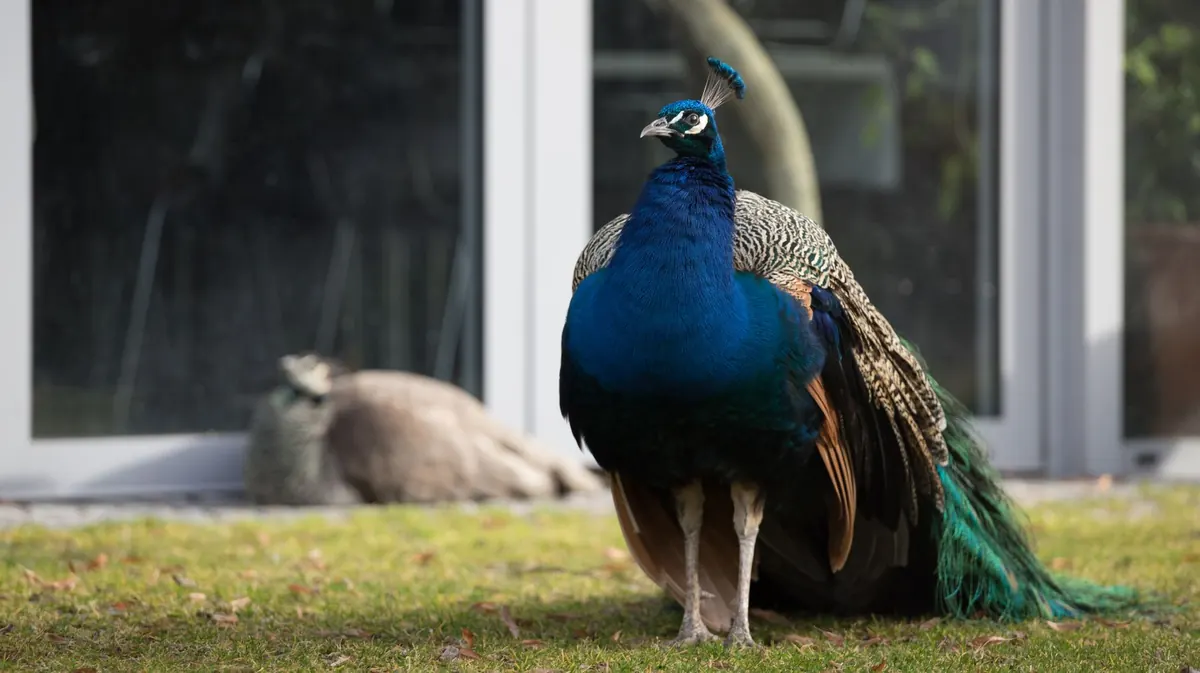
Photo: NoName_13 / Pixabay
Previous Post
Feather Accessories for Events: A Beginner's Guide to Hat and Corsage Plumes
Next Post
Peacock vs. Ostrich vs. Pheasant Feathers: A Display Comparison