Display Stands vs. Wall Mounts: Which Is Best for Your Feather Collection?
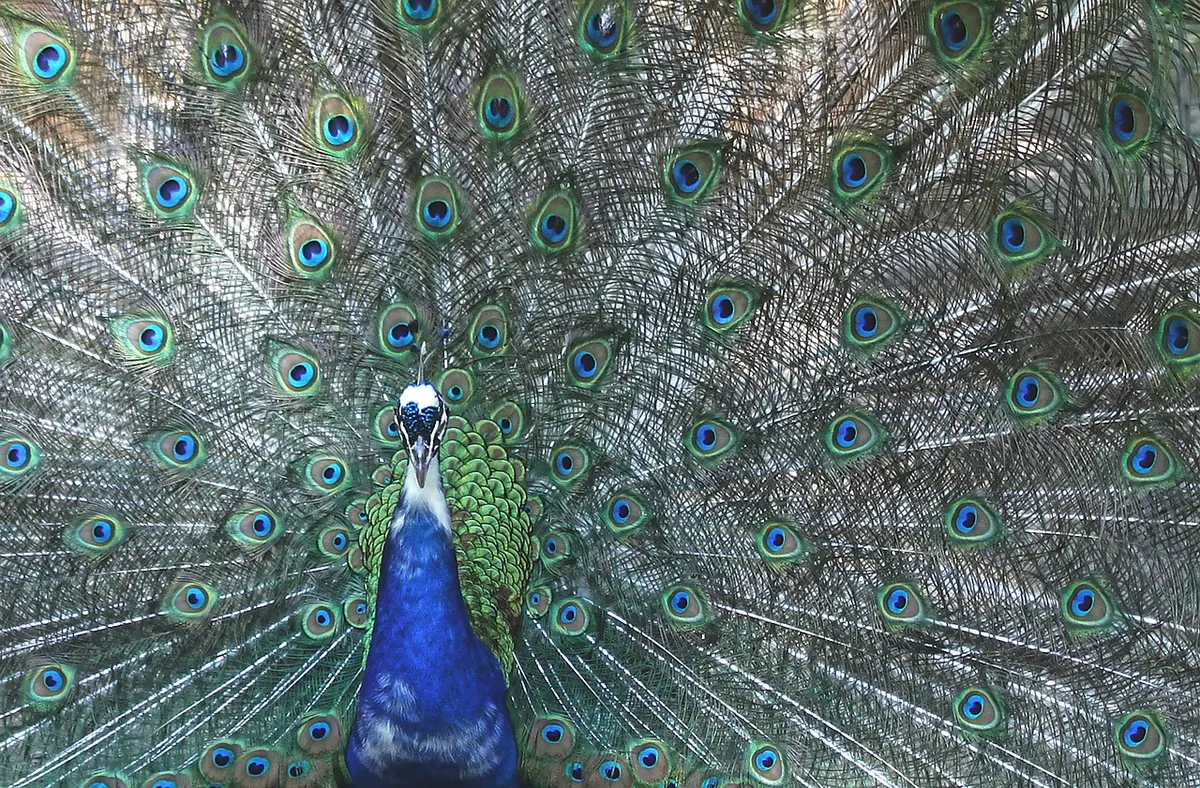
A single ostrich feather on a tall floor stand reads as sculpture from across a room. The same feather on a small table stand reads as a curiosity you have to walk over to see. Neither is wrong. The choice comes down to what you want the feather to do: anchor a corner, sit quietly on a shelf, or float at eye level on a bare wall. Sorting out which stand suits each plume, and each room, takes about five minutes of honest looking.
Most feather displays fall into three families, and they behave very differently once they are in a room.
Usually somewhere between 1.2m and 1.8m tall, with a weighted base. They give a plume presence and vertical reach, and they let long feathers hang naturally instead of being propped. The trade-off is footprint: a floor stand needs a clear patch of floor and will be nudged by vacuum cleaners, pets and passing coats.
Shorter, often 20–40cm, designed for shelves, mantelpieces, consoles and bedside tables. You view them from close up, so they reward detail: the sheen on a curl, the colour shift along a rachis. They suit smaller plumes or tight arrangements of three or five.
Brackets, clips, slim ledges and shallow frames that hold feathers against a wall. They free up every surface and lift a display above the clutter. They are also the least forgiving if the fixing is wrong, and they generally suit lighter plumes rather than heavy ones.
Start with length and weight, not with the room. A 70cm ostrich plume in a table stand will topple the moment a door slams, no matter how pretty the base looks. As a rough guide, look for a base whose width is at least a quarter to a third of the plume's height. A tall, stiff feather also needs support along its length, so a holder that grips only the quill will let the tip lean.
Check the stem diameter against the holder before you commit. A quill that rattles will rotate and drift; one that is forced in can split. A small strip of felt or a wrap of archival tissue around the base of the quill solves both problems without glue. Never trim a quill to make it fit a stand you already own — buy the stand that fits the feather.
Pick the display up once it is loaded and tilt it gently. If it feels top-heavy, it is. Floor stands with sand-filled or cast bases earn their keep here, and a thin layer of museum putty under the base protects polished floors and stops slow slides.
Where a display lives changes which option makes sense, often more than the feather does.
Floor stands create drama. They draw a long vertical line, catch draughts, and throw moving shadows in the evening. Use one where you want a single focal point, and give it space — a tall plume crowded by furniture loses its impact.
Table stands create intimacy. They invite a closer look, and they group well: three plumes of different heights on one shelf will read better than three identical ones. Wall mounts create a graphic, almost print-like effect. A dark plume against a pale wall, or a pale plume against a dark one, holds a room together without taking up a centimetre of surface.
Height matters more than most people expect. A single feather displayed at eye level feels deliberate. Above eye level it feels like it is floating. Below eye level it invites handling, which is fine for a robust feather and less fine for a fragile one.
Feathers collect dust and lose colour in strong sunlight. Rotate displays away from windows every few months, and clean gently with a soft brush or a hairdryer on its coolest, lowest setting, held well back. A glass cloche over a table stand solves dust almost entirely, though it does mute the movement that makes floor stands appealing.
For wall mounts, match the fixing to the wall, not to the feather. Plasterboard needs proper hollow-wall anchors; solid brick or stone needs the correct drill bit and plug. Adhesive hooks are fine for very light plumes and rented flats, but check the weight limit and leave the hook to cure for the full time stated. If your wall is old, uneven or listed, or you are unsure what is behind the plaster, ask a qualified tradesperson before drilling.
Most collections end up using both. Put the largest, most dramatic plume on a floor stand where it can breathe, and use table stands and wall mounts for the smaller pieces you want to see up close. Rotate them with the seasons, or whenever a display stops catching your eye, and the same feathers will keep earning their space.
Photo: blickpixel / Pixabay
Previous Post
7 Common Mistakes When Displaying Feathers at Home
Next Post
Seasonal Styling: Autumn Feather Display Ideas for UK Homes